Your Spinal Surgery: A Comprehensive Guide to Anaesthesia and Recovery
Your Spinal Surgery: A Comprehensive Guide to Anaesthesia and Recovery
This information leaflet is designed to provide you with a thorough understanding of what to expect before, during, and after your spinal surgery, with a particular focus on the anaesthesia you’s receive. We understand that spinal surgery can be a significant event, and we want you to feel informed, prepared, and as comfortable as possible.
1. Understanding Your Spinal Procedure: Types of Spinal Procedures
The most common types of spinal surgery in Australia include spinal fusion (joining vertebrae to stabilise the spine), discectomy (removal of a damaged disc), artificial disk replacement (replacing a damaged disc with an artificial one), and laminectomy (removing a portion of the vertebra to relieve pressure on the spinal cord or nerves). The specific procedure you’s undergoing will influence the length of the surgery and the recovery process.
2. Pre-Anaesthetic Assessment: Getting You Ready for Surgery
Your anaesthetist is a vital member of your surgical team, responsible for ensuring your safety and comfort throughout the entire process. This phase is crucial for identifying potential risks and tailoring your anaesthetic plan.
- Pre-Anaesthetic Consultation (30-90 minutes): You’s likely to have a detailed consultation with your anaesthetist, either in person or virtually, to review your medical history, answer any last-minute questions, and discuss your pain management plan. Please be as thorough as possible – even seemingly minor details can be important.
- Medical History Review: We need a complete picture of your health to minimise risks. This may involve:
- Reviewing Medical Records (1-2 weeks): We’re required to review your medical records, including those from your surgeon and any other specialists involved in your care.
- Blood Tests & Investigations (2-5 business days): These tests may include a complete blood count (CBC), coagulation studies (to assess blood clotting), electrolytes, and potentially an electrocardiogram (ECG) to evaluate heart function.
- Specialist Consultations: Depending on your medical history, we may recommend consultations with other specialists, such as a cardiologist (heart specialist), pulmonologist (lung specialist), or neurologist (nerve specialist). These consultations may take 2-6 weeks to arrange, depending on specialist availability.
- Optimising Health: We may recommend lifestyle modifications or medications to optimise your health before surgery, such as managing blood pressure, controlling blood sugar, or stopping smoking.
- Timing: Due to the complexity of spinal surgery and the need for thorough pre-operative assessment, there may be a longer wait time between your consultation and the date of your surgery.
- Important! Notify your anaesthetist immediately if you develop any new medical conditions during this time. Even seemingly minor changes can impact your anaesthetic plan.
- Medications: Most medications can continue up until surgery. However, blood thinners (e.g., warfarin, aspirin, clopidogrel) and diabetic medications (e.g., insulin, metformin) require special consideration and precise instructions. Do not adjust your medications without explicit instructions from your surgeon or anaesthetist.
- If you’s unsure, please ask your surgeon or your anaesthetist.
3. Preparation: Fasting and Hydration
Proper fasting is essential for your safety during anaesthesia.
- No Food: You must not eat anything for 6 hours before your scheduled surgery time. This includes all solid foods, gum, and mints.
- No Clear Liquids: You must not have any clear liquids (water, juice, tea, coffee, clear broths) for 2 hours before your scheduled surgery time.
- Small Sips of Water: You may be allowed small sips of water up to 4 hours before surgery, but confirm this with your anaesthetist.
- Your anaesthetist will discuss these timings with you before the procedure. Adhering to these guidelines minimises the risk of aspiration (food or liquid entering the lungs) during anaesthesia.
4. What to Expect During Your Surgery: Anaesthesia Options
Spinal surgery is typically performed with a general anaesthetic ("going to sleep"). While spinal anaesthesia (numbing the lower body) is sometimes an option, it’s less common for complex spinal procedures.
- Arrival at Hospital (2-3 hours before surgery): Allow ample time for check-in, pre-operative assessments, and changing into a hospital gown.
- Pre-operative Assessment (1-2 hours before surgery): Your anaesthetist will review your medical history, answer any last-minute questions, and place an intravenous (IV) line for administering medications.
- Surgery Duration (2-6+ hours): The surgery itself typically lasts 2-6 hours, but can be longer depending on the complexity of the procedure.
- Cannula Insertion: The anaesthetist will insert a cannula into your vein and attach fluids (a drip) to maintain hydration and administer medications.
- Oxygen Mask: Before going under a general anaesthetic, you will usually be asked to breathe oxygen through a mask to pre-oxygenate your lungs.
- Anaesthetic Medications: Anaesthetic medications are usually given through the cannula to induce and maintain the anaesthetic. These medications are carefully chosen based on your individual needs and medical history.
- Breathing Tube: Once you are fully “asleep,” a breathing tube will be placed in your windpipe to help with your breathing during surgery. This is a routine procedure and is performed gently and skilfully.
- Positioning: You will be positioned on the operating table in a specific position that allows the surgeon to perform the procedure effectively. This positioning may involve supports and padding to ensure your comfort.
- Urinary Catheter: A urinary catheter, which drains your bladder, may also be placed.
- Monitoring: Throughout the surgery, your vital signs (heart rate, blood pressure, oxygen saturation, temperature) will be continuously monitored by the anaesthetist and surgical team.
- Recovery Room Stay (1-3+ hours): At the end of the operation, you will be carefully transferred to the recovery room, where you will be closely monitored as you wake up from the anaesthetic.
5. Patient-Controlled Analgesia (PCA)
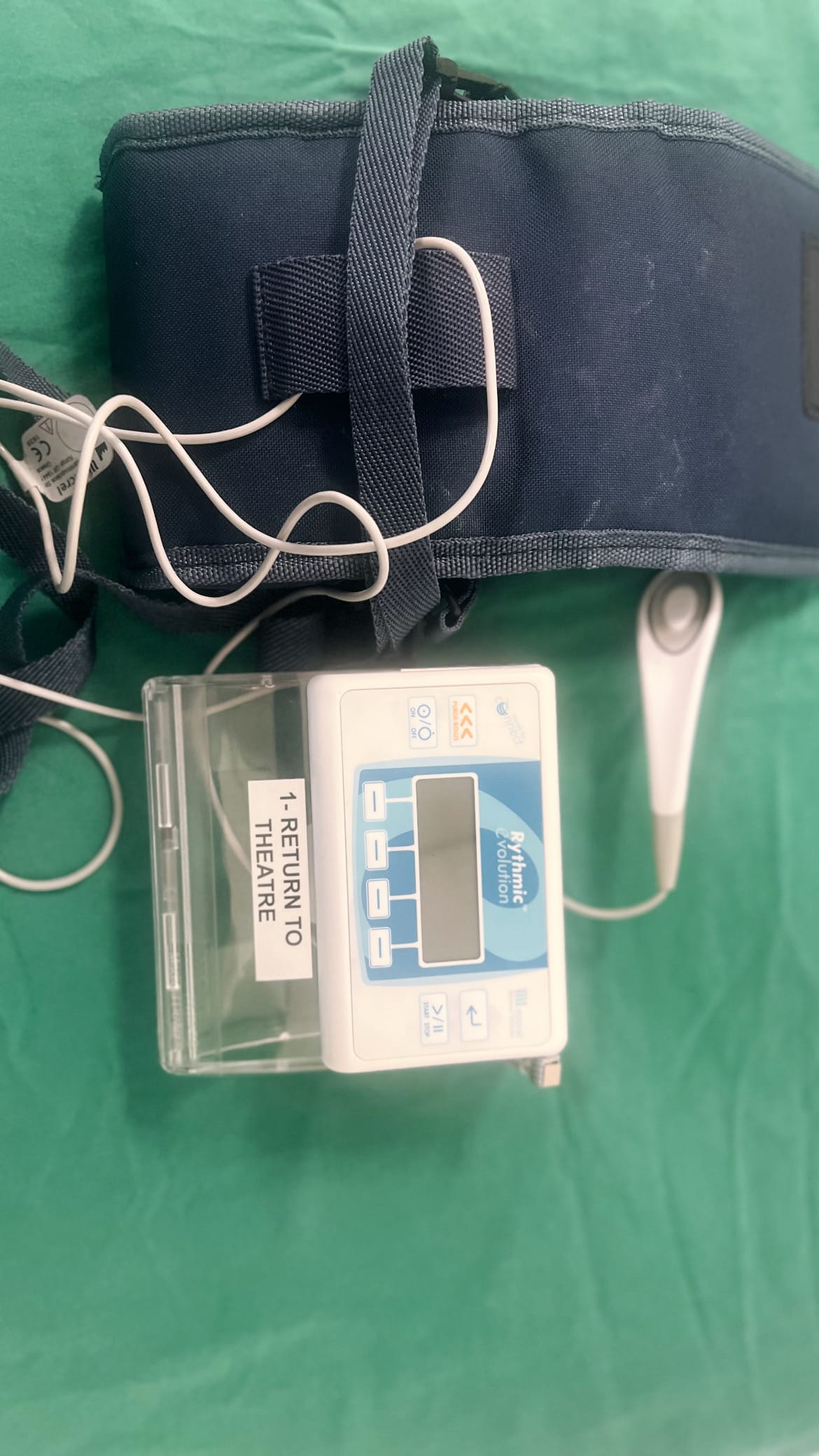
Many patients undergoing spinal surgery will be offered Patient-Controlled Analgesia (PCA) for pain management after surgery.
- What is PCA? PCA is a system that allows you to control the amount of pain medication you receive. A small IV pump is connected to your arm, and you are given a button to press for a pre-determined dose of pain medication.
- How does it work? The pump is programmed by your anaesthetist and nurses to deliver a small dose of pain medication each time you press the button. There is also a timer that prevents you from pressing the button too frequently, ensuring a safe and controlled delivery of medication.
- Why is PCA used? PCA allows for more personalised pain relief, as you can adjust the medication based on your individual needs. It also helps to reduce the risk of overmedication and side effects.
- Will I be on PCA the whole time? The duration of PCA use will be determined by your medical team based on your pain levels and overall recovery.
- Can I stop PCA? Your medical team will guide you on when and how to discontinue PCA.
6. After Your Surgery: What to Expect
- Drowsiness & Nausea: It is normal to feel drowsy and potentially nauseous as you wake up from the anaesthetic. Medications can be given to alleviate nausea.
- Discomfort: You may also experience some discomfort, pain, or muscle soreness. Pain medication will be administered as needed, often through the PCA system.
- Sore Throat: A mild sore throat is common due to the breathing tube.
- Side Effects: You may also notice a dry or sore throat or have a headache. However, this usually passes in 1-2 days.
- Hospital Stay (1-3+ days): Generally, you can expect to stay in hospital for 1-3+ days after surgery. The length of your stay will depend on the complexity of the procedure, your overall health, and your ability to manage pain and perform daily activities.
- Going Home: Some patients can go home the day of the surgery; however, this is less common for spinal surgery.
7. Post-Surgery Considerations
- Adult Supervision: If you have had sedation or a general anaesthetic and are returning home on the day of the surgery, you must have an adult with you for 24 hours after the procedure.
- Restrictions: For safety reasons, it is important that you refrain from the following for up to 24 hours after receiving the anaesthetic: drinking alcohol, driving a car, operating machinery, and making important decisions.
- Physical Therapy: You will likely need physical therapy to regain strength and mobility.
- Pain Management: Follow your doctor’s instructions for pain management, including the use of the PCA system.
8. Risks to be Aware Of…
Major complications with anaesthesia are uncommon when administered by qualified and experienced professionals.
- Common Side Effects: General anaesthesia can make you feel drowsy afterwards. Nausea and vomiting are not uncommon, and anti-nausea drugs will be available. Other short-term side effects can include bruising, fatigue, headache, sore throat, or sleep disturbance.
- Positioning Risks: Being placed prone can put pressure on parts of your body, and you might notice some redness or bruising when you wake up, particularly on your hips, knees, shoulders, or chest. Your eyes and face may appear puffy or swollen.
- Rare Complications: While extremely rare, serious side effects such as severe allergic reaction, breathing difficulties, heart problems, stroke, or nerve damage can occur. We take every precaution to minimise these risks.
9. Questions?
We understand that you may have questions or concerns about your anaesthesia. Please don’t hesitate to ask your anaesthetist anything. We are here to provide you with the information and support you need to feel confident and comfortable.