Patient Controlled Analgesia (PCA): Your Guide to Pain Relief After Surgery
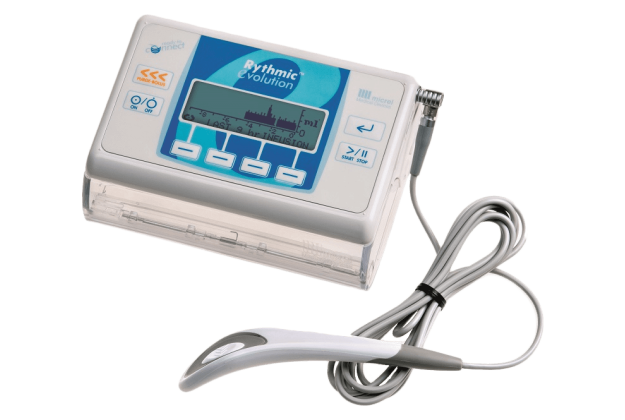
What is PCA?
Pain after surgery is common, and managing it effectively is important for your recovery. Patient Controlled Analgesia (PCA) is a system that allows you to control your pain relief within safe limits. It helps you feel more comfortable and aids in your recovery by allowing you to cough, breathe deeply, and move around more easily.
How Does PCA Work?
- The PCA Pump: A special pump delivers pain medication (usually morphine, but sometimes fentanyl or oxycodone) through a small tube (cannula) into a vein in your arm or hand.
- Demand Dosing: You hold a handset and press a button when you feel pain. Each press delivers a pre-set amount of medication.
- Safety Features: The pump is programmed with safety limits to prevent you from receiving too much medication. It includes a "lockout" period (explained below).
- Recovery Room: Initially, nurses in the recovery room will manage your pain until you are awake enough to use the PCA pump yourself.
Understanding PCA Settings
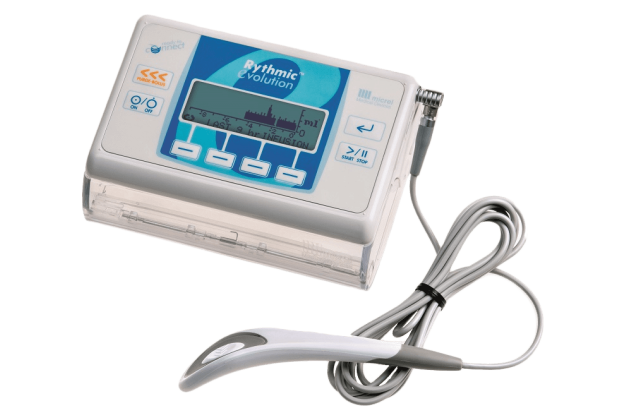
Your PCA pump is programmed with specific settings to ensure your safety and comfort. Here's a breakdown:
- Demand Dose: The amount of medication delivered each time you press the button.
- Lockout Interval: A waiting period (typically 5 minutes) after a dose is given. During this time, the pump will not deliver more medication, even if you press the button. This prevents accidental overdoses.
- Continuous Dose (Basal Infusion): A constant, low-level drip of medication. This is usually avoided in opioid-naïve patients (those who haven't used opioids before).
- Breakthrough/Incident Pain Bolus: A larger dose of medication given by a nurse for sudden, severe pain that isn't relieved by the PCA button.
- 1-Hour Maximum Dose Limit: A limit on the total amount of medication you can receive within a one-hour period.
How to Use Your PCA
- Press the Button: When you feel pain, press the button on the handset.
- Wait: Allow a few minutes for the medication to work.
- Move Around (If Allowed): The PCA pump is portable, allowing you to get up and walk around. Pressing the button before moving can make exercise more comfortable.
- Communicate: Tell your nurse if your pain isn't relieved or if you experience any side effects.
Important Considerations
- Only you are allowed to press the button. Nurses, relatives, and visitors should not operate the PCA pump.
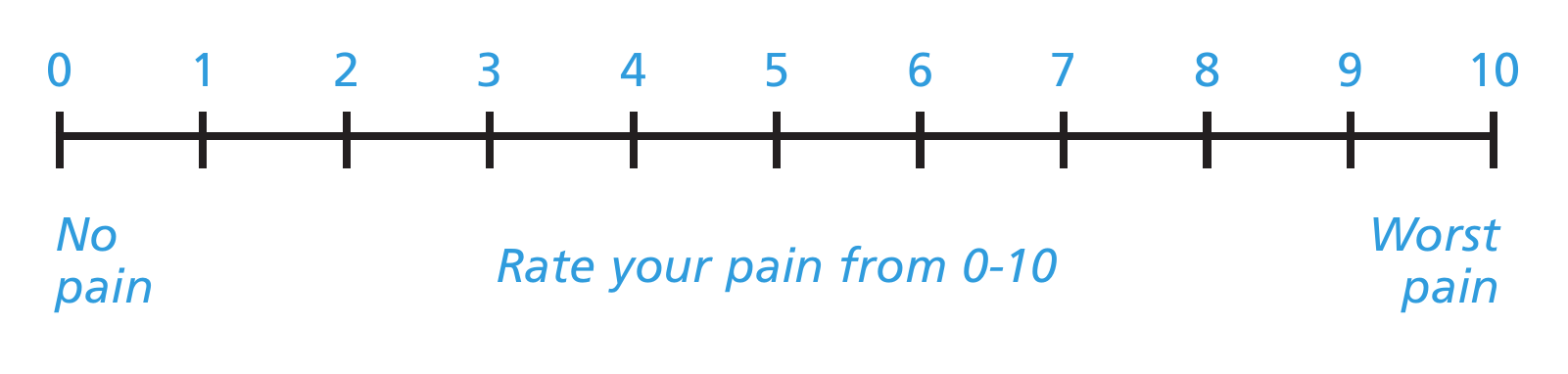
- Pain Scoring: Nurses will ask you to rate your pain on a scale of 0-10 (0 = no pain, 10 = worst pain imaginable). This helps them adjust your pain relief.
- Side Effects: Common side effects include drowsiness and nausea. Constipation is also common and will be addressed with laxatives.
Is PCA Safe?
Yes, PCA is a safe and effective way to manage pain after surgery. The pump's programming and safety features prevent accidental overdoses. Your nurse and doctor will carefully monitor your response to the medication and adjust the settings as needed.
Frequently Asked Questions (FAQs)
- Q: How often can I press the button?
- A: You can press the button as often as you like, but the pump will only deliver a dose every 5 minutes (due to the lockout period).
- Q: What if the button doesn't relieve my pain?
- A: Tell your nurse immediately. They can administer a breakthrough dose or adjust your PCA settings.
- Q: Can I get addicted to the medication?
- A: PCA is used for a short period (usually 48 hours) after surgery, reducing the risk of addiction.
- Q: Can I overdose myself?
- A: No. The pump is programmed with safety limits to prevent you from taking too much medication.
- Q: Can I get up and walk around?
- A: Yes, the PCA pump is portable and allows you to move around.
Glossary of Terms
- Analgesia: Pain relief.
- Breakthrough Pain: Sudden, severe pain that isn't relieved by regular pain medication.
- Cannula: A small tube inserted into a vein.
- Lockout Interval: The waiting period after a dose is given, during which the pump won't deliver more medication.
- MEAC: Minimal Effective Analgesic Concentration - the lowest level of medication in your blood that provides pain relief.
- Opioid: A type of pain medication.
- PCA: Patient Controlled Analgesia.
- OME: Oral Morphine Equivalent - a way to measure the strength of opioid medication.